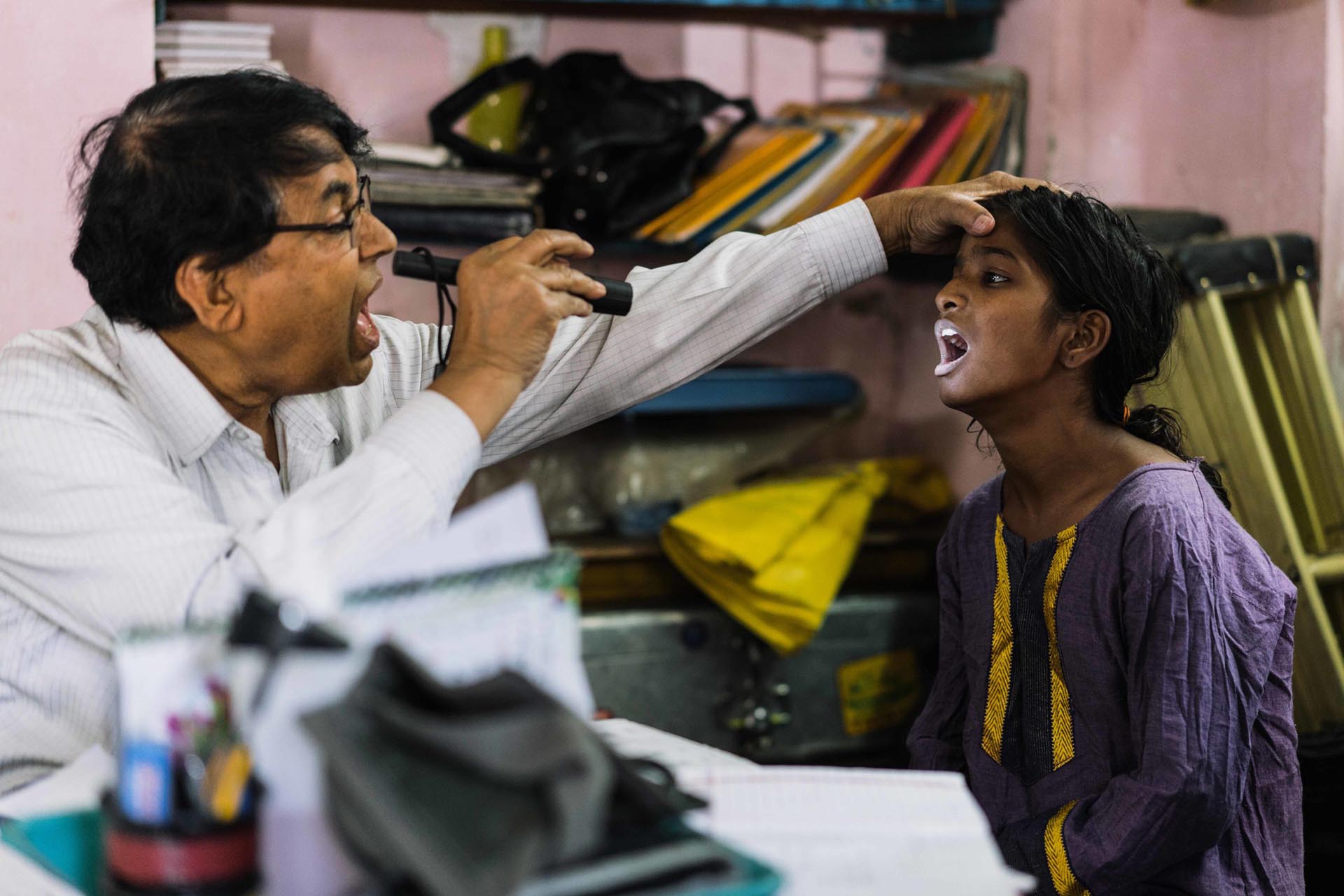
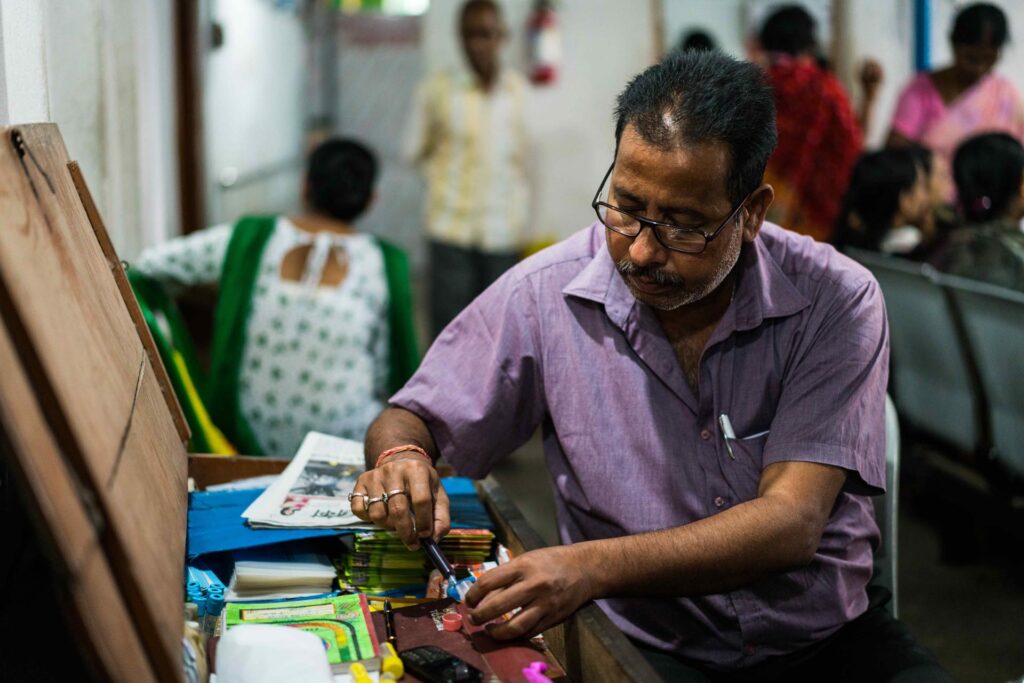
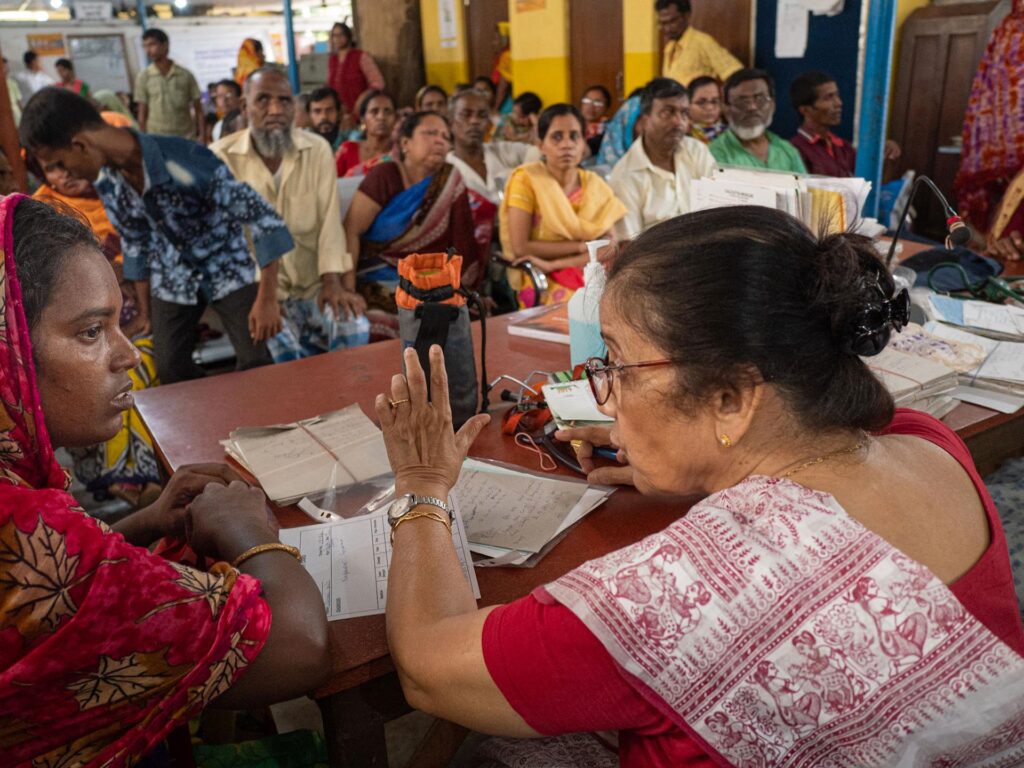
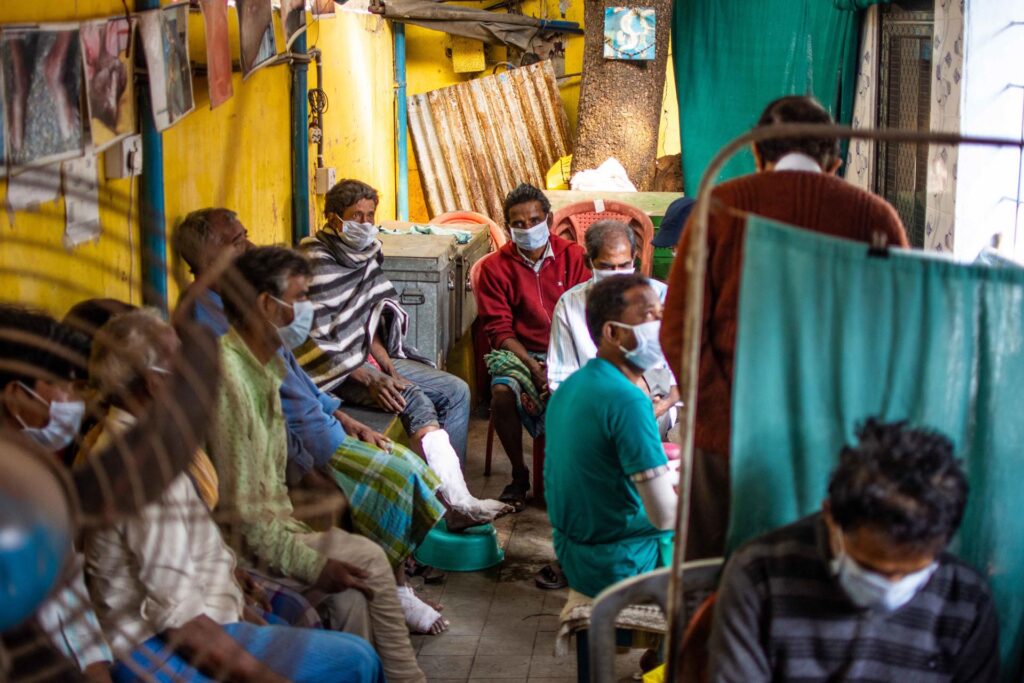
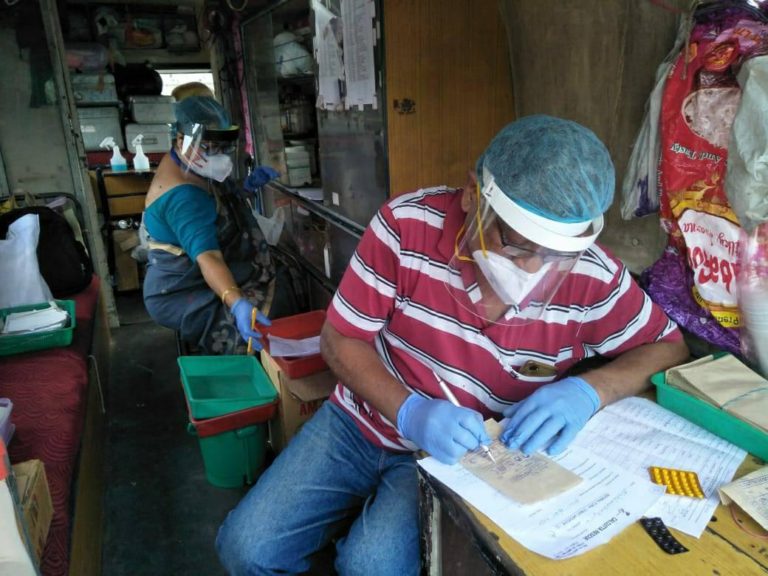
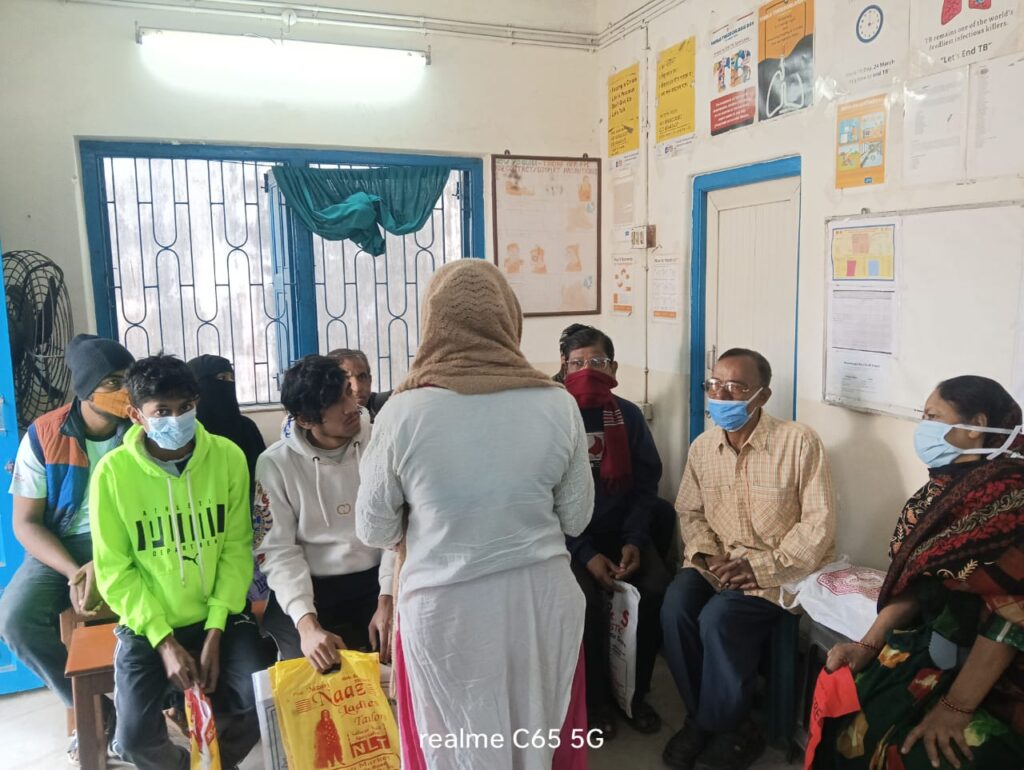
Calcutta Rescue offers completely free primary health care, diagnostics and medicines through four fixed clinics and two mobile clinics serving over 25 slum communities in Kolkata. Their specialist services cover wound care, HIV, TB, diabetes and other chronic illnesses, reducing the burden on public hospitals and serving those who cannot afford care.
According to a World Bank and WHO report released in 2017, healthcare costs land around 5 crore people in poverty each year.
Among the BRIC countries, South Africa, which spends 8.7% of GDP on health, and Russia, which has a predominantly state-funded healthcare system had just 0.6% and 0.1% of households respectively spend more than 25% of their income on healthcare.
India spends just over 1% of its GDP on healthcare and therefore has a whopping 17% of the population spending more than 25% of their income on healthcare. Those affected are the most poor who are then plunged into desperate situations.
Saddled with a meagre healthcare budget, public hospitals present a dismal picture where a shortage of medicines, overcrowding, long waiting time and the need for multiple visits for investigations and consultations frustrate patients on a daily basis.
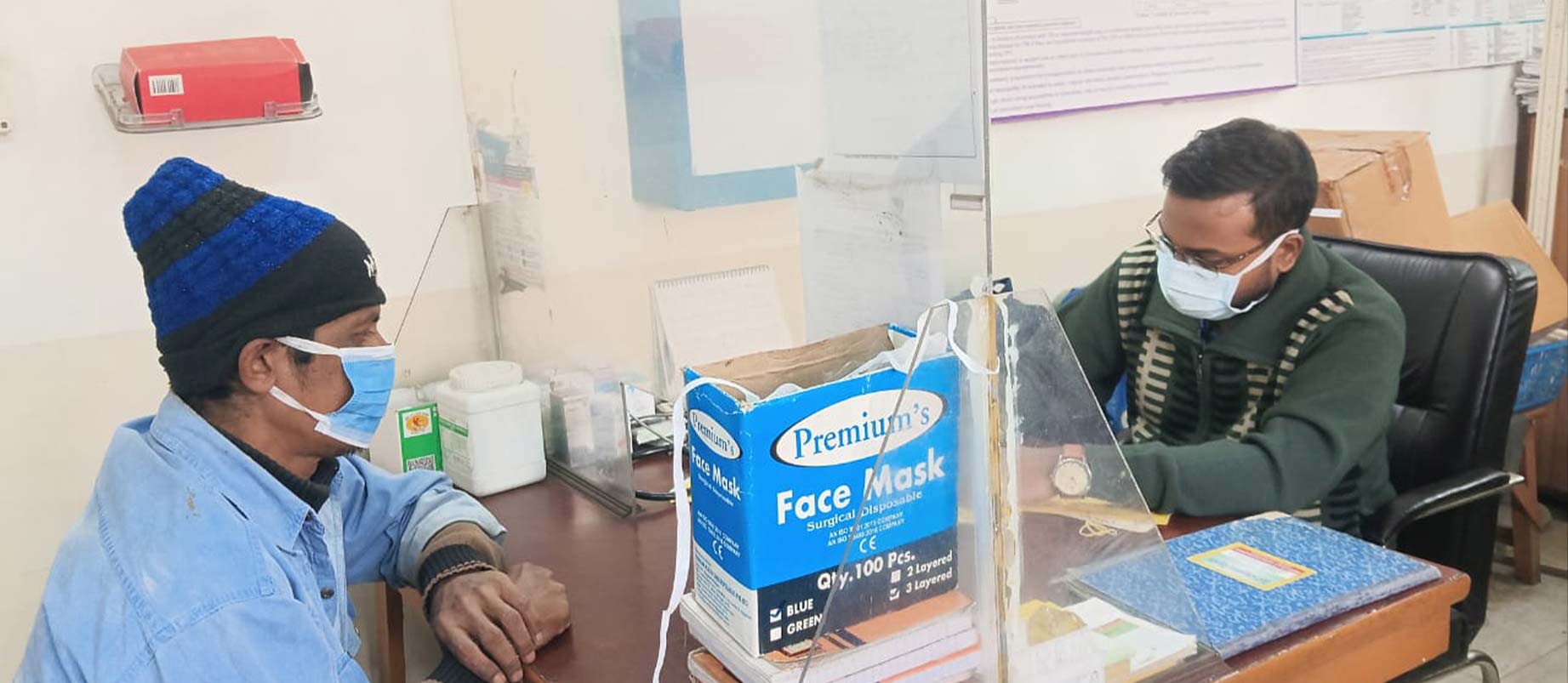
Calcutta Rescue offers primary health centres that offer a basic package of essential health services including medicines, simple diagnostics, and consultation free of cost. These clinics serve as the first point of contact for the population, offer timely services, and reduces the load of referrals to secondary and tertiary health facilities in the city.
Calcutta Rescue as four fixed clinics in north Kolkata and two mobile clinics serving up 25 slum communities across the city. Talapark clinic is our largest clinic located in North Kolkata. Nimtala Clinic specialises in wound care. Urban DOTS (Directly Observed
Treatment Short-course) is CR’s TB clinic. In 2022, the Tangra slum area received a new fixed clinic. Chitpur clinic, the specialised leprosy clinic was closed in 2021 and the patients were relocated to Nimtala clinic.
Tala Park is CR’s biggest clinic and the heart of its medical operations. Most of its patients have chronic illnesses such as asthma and diabetes, or require expensive drug therapy for cancer, heart disease and HIV.
The clinic also provides speech therapy, physiotherapy, counselling and support for children with disabilities.
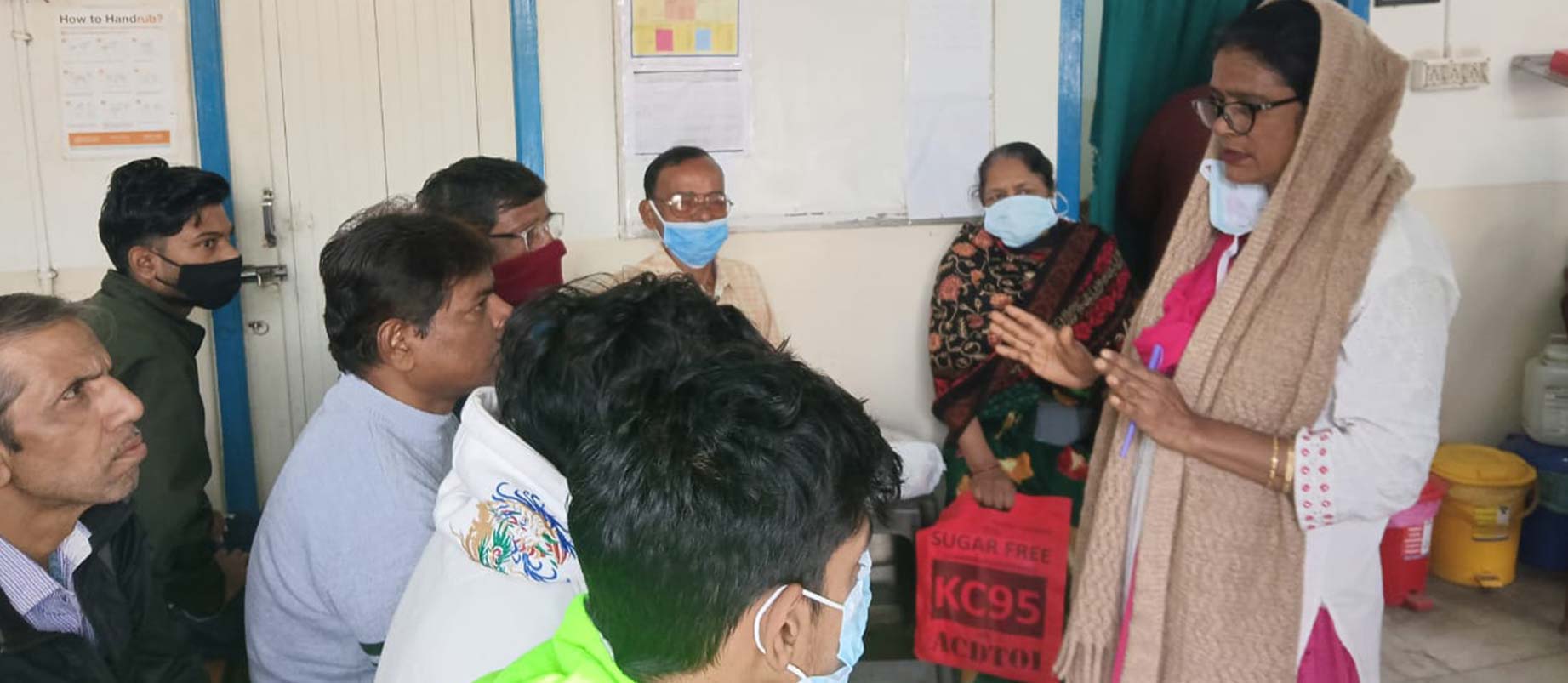
Every patient also attends a health education session on a wide range of topics each time they visit
Situated in an area of great poverty, this small clinic has a reputation for providing outstanding wound-care to its patients, many of whom are destitute or live in tiny shacks along the adjacent railway line.
It treats a wide range of conditions and also provides physiotherapy.
This clinic has an excellent track record of curing people suffering from multi-drug-resistant TB.
This can take many months and involved watching patients take their drugs each day – a system called DOTS (Directly Observed Treatment, Short-course).
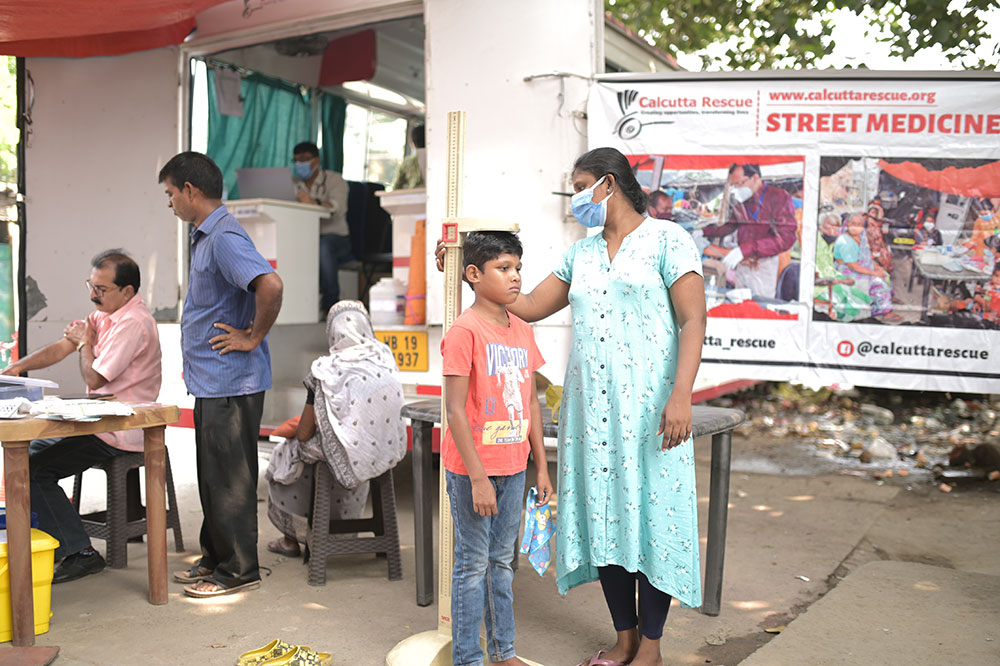
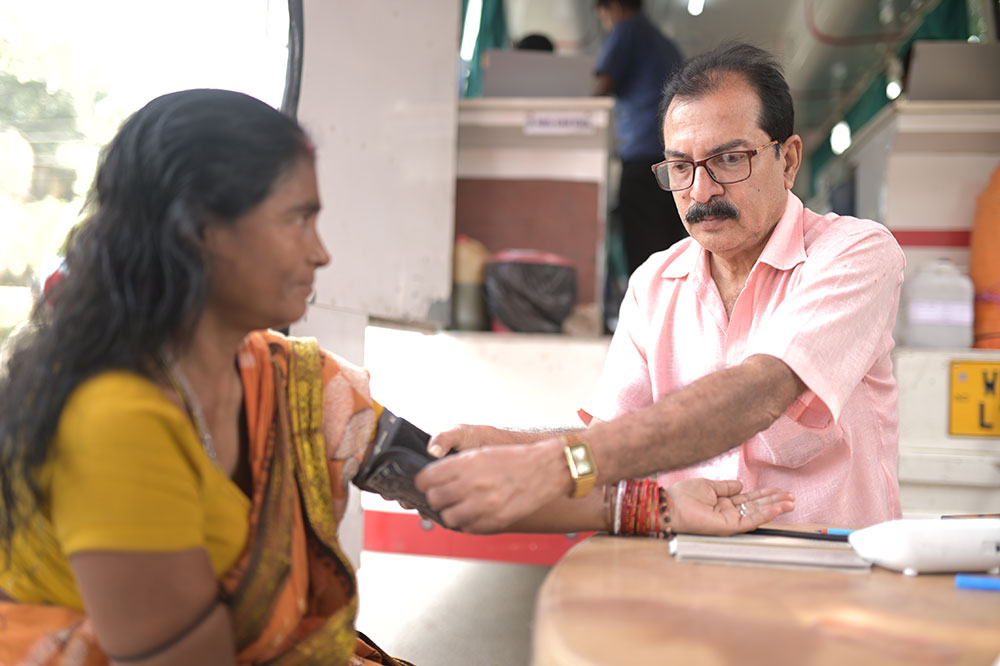
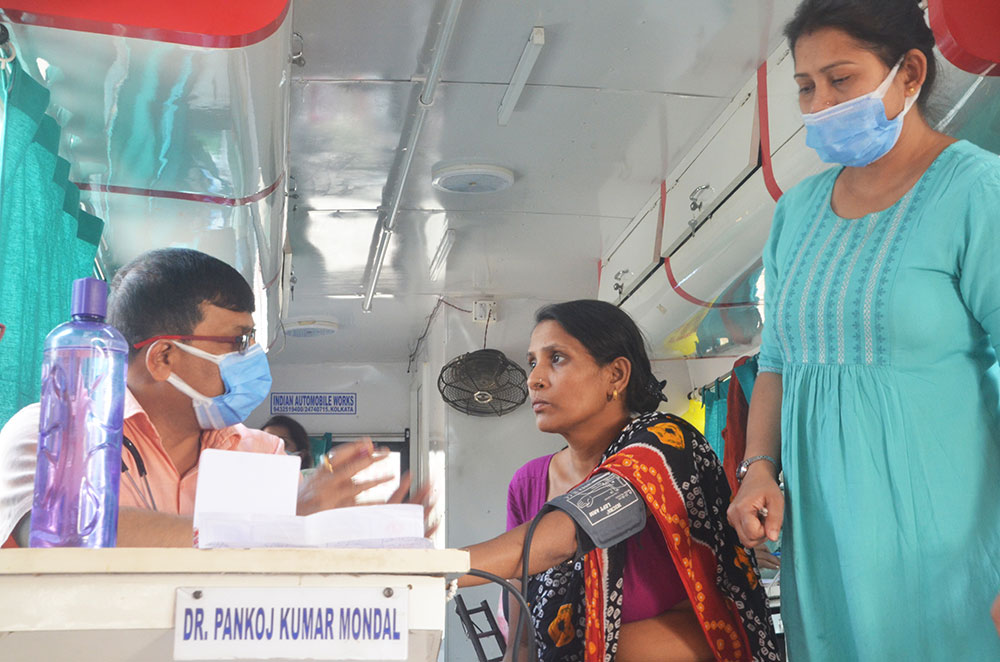
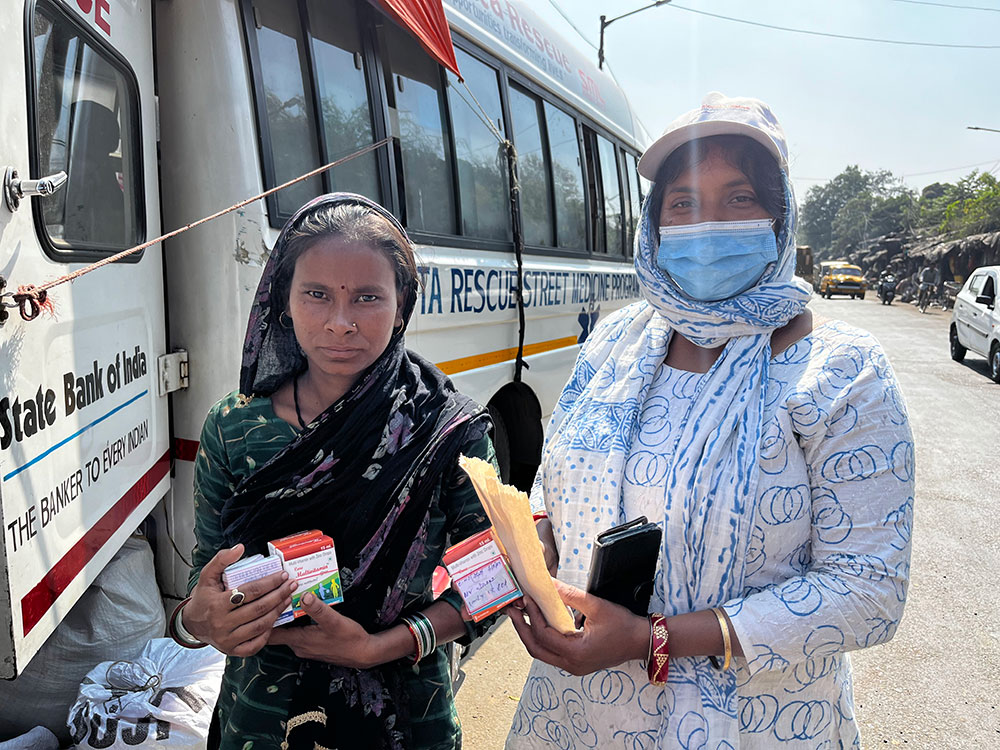
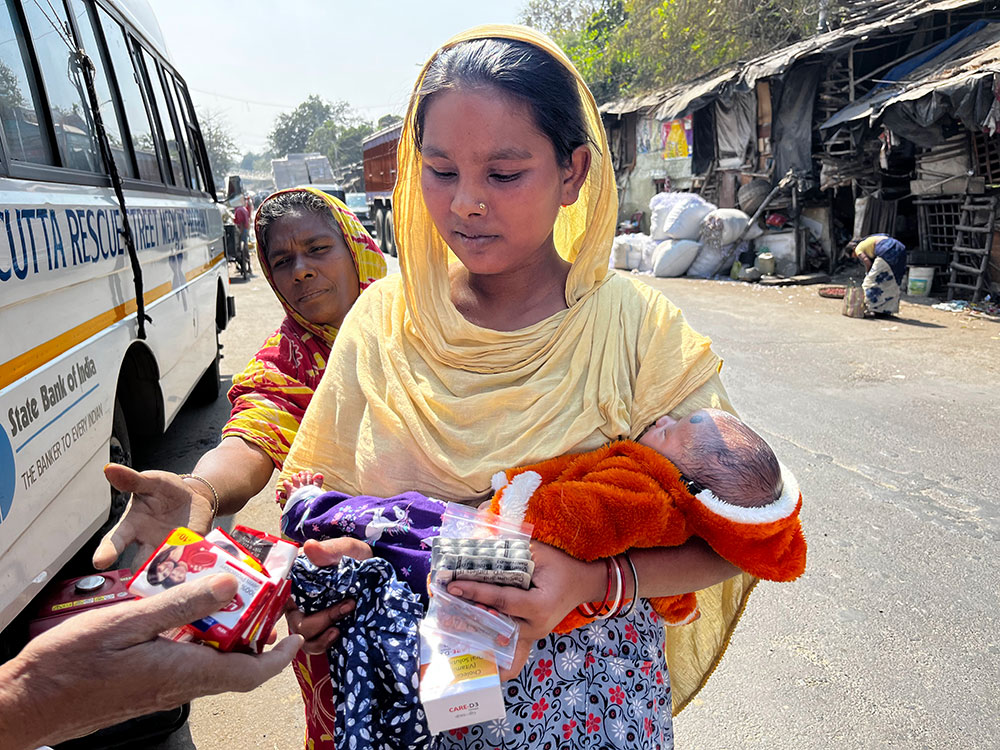
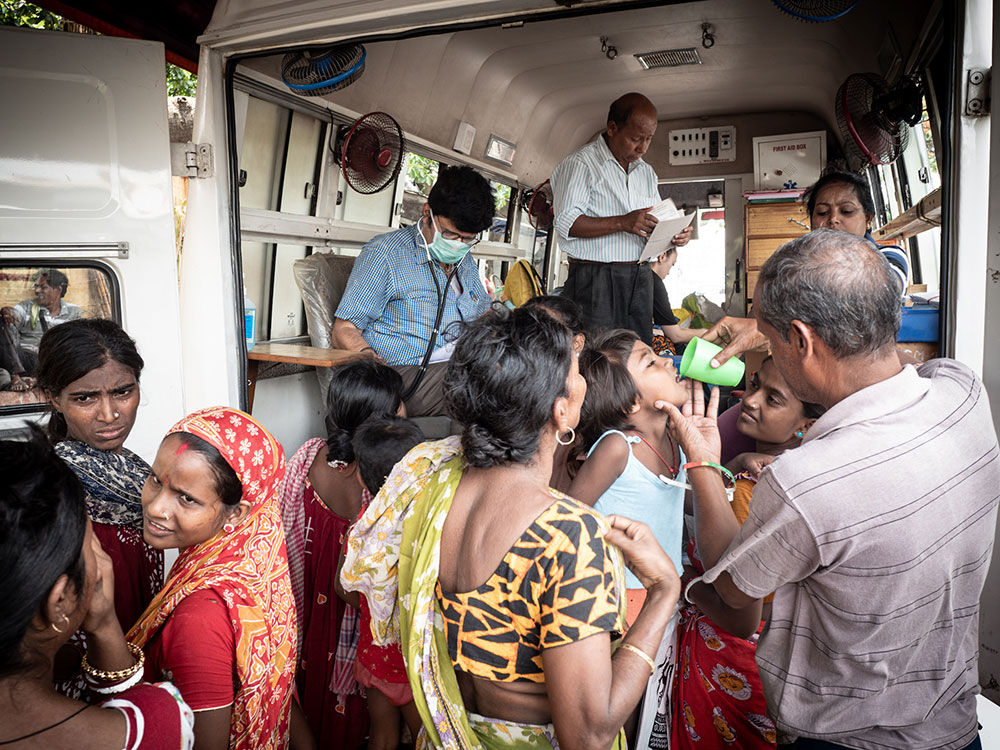
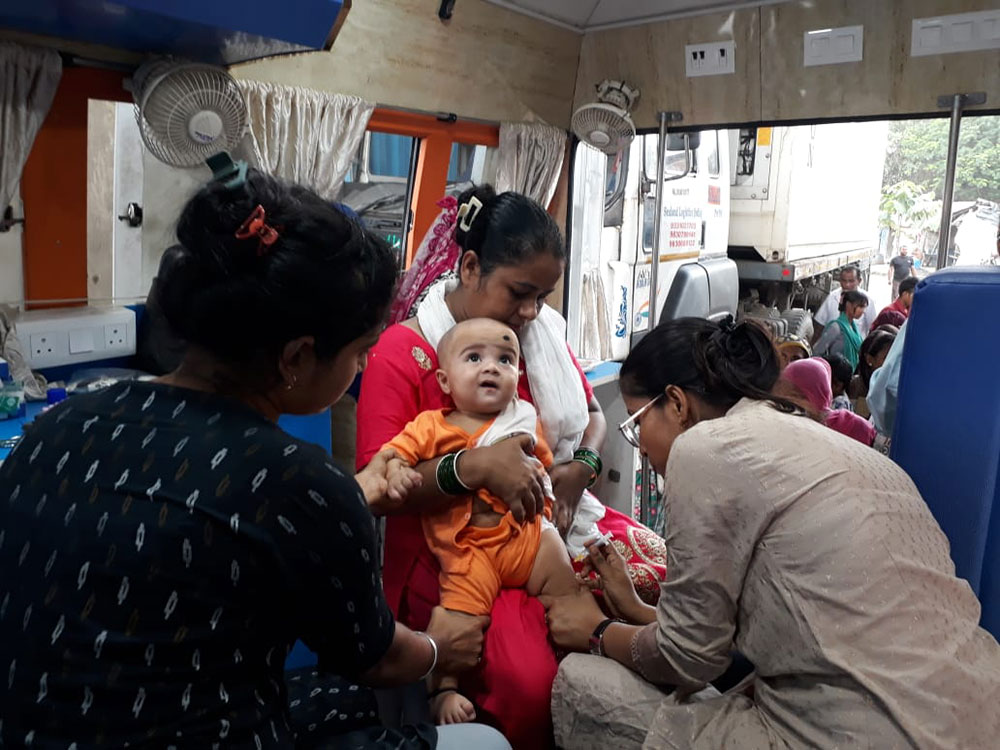
Calcutta Rescue operates two mobile street medicine teams who go out into carefully selected slums each day to provide primary care, immunisations, health education and other support in areas where such services are hard to access.
Calcutta Rescue operates two mobile street medicine teams who go out into carefully selected slums each day to provide primary care, immunisations, health education and other support in areas where such services are hard to access.
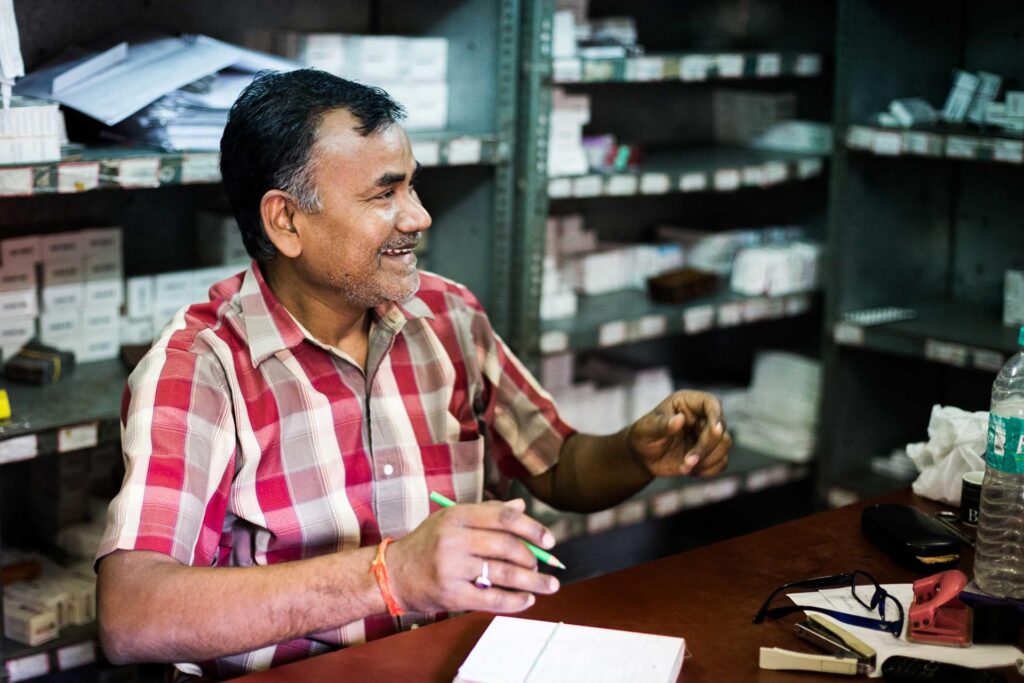
Calcutta Rescue has its own pharmacy which ensures all its clinics have continuous access to the medicines their patients need.
It also negotiates the best prices when buying drugs in bulk.
Initially our Street Medicine ambulance would visit the area, usually once a week. But the population of the Tangra slum area is nearly 7,000. Most of them are young mothers and children. And recently the team faced an influx of more and more patients with chronic illnesses like asthma, diabetes, and high blood pressure which need constant attention. So we decided a proper clinic would be the best idea to care for the slum residents.